
Long natural nails need a balance of length, gentle care, and protection from everyday pressure. The best long nail designs work with the free edge you have grown yourself, while a consistent routine helps reduce splitting and breakage. This guide covers length definitions, design inspiration, realistic growth expectations, and what you can and cannot change about your nail beds.
What counts as long nails?
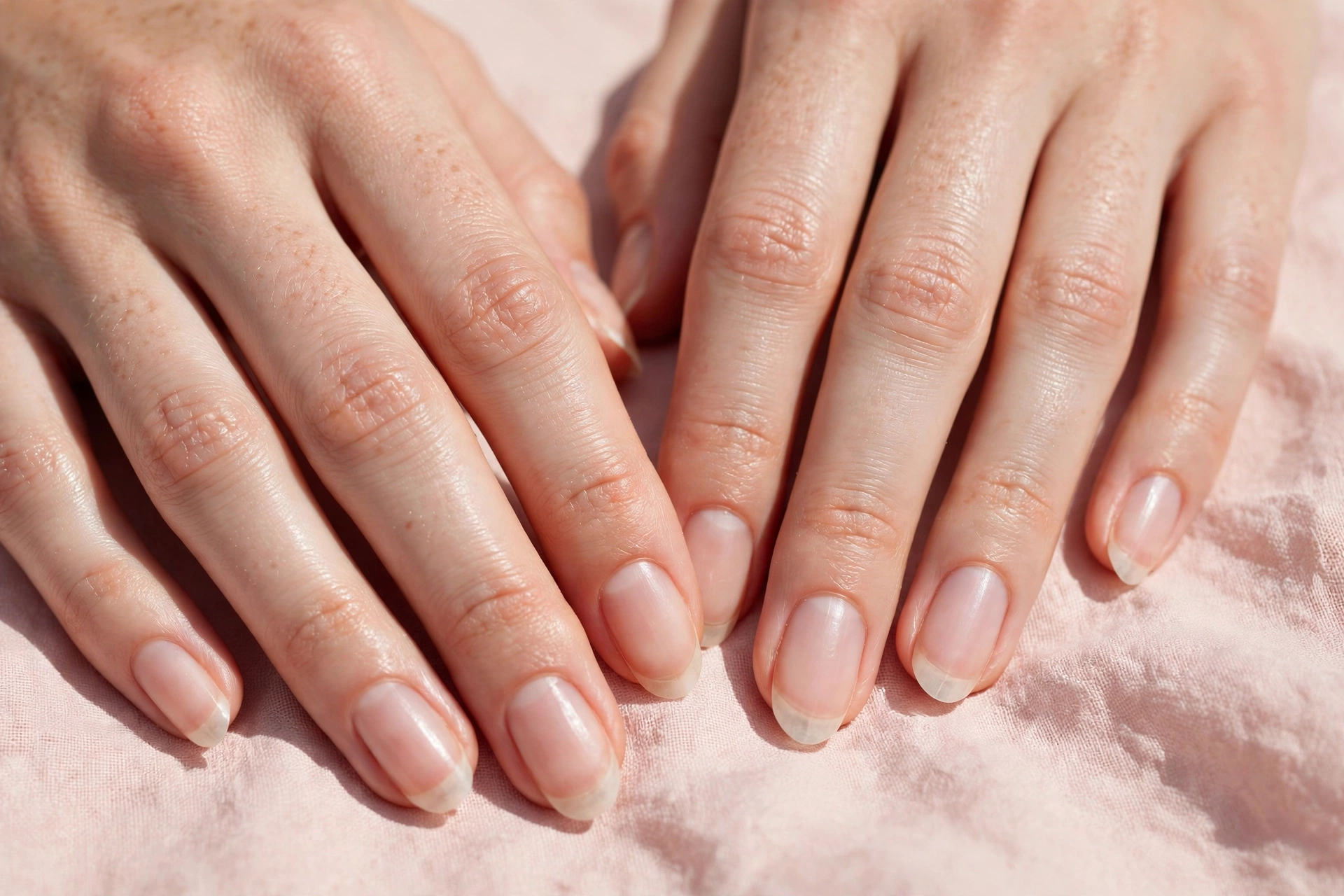
Nails are generally considered long when the free edge—the part extending beyond the fingertip—is clearly visible past the finger. There is no official measurement that defines long nails, because nail-bed proportions and personal preferences vary.
As a practical guide:
- Medium-long nails: A few millimeters of free edge beyond the fingertip. This length can offer room for nail art while remaining manageable for many daily tasks.
- Long nails: A clearly extended free edge that changes the nail’s silhouette and gives designs more space.
- Extra-long or XXL nails: A fashion length that extends substantially beyond the fingertip. These nails make a statement, but they also increase leverage, breakage risk, and the time needed for cleaning and everyday tasks.
Some people use a quarter-inch free edge as a reference for long nails, but it is not a universal standard. What matters is how the length feels, whether the nails remain comfortable, and whether you can maintain them safely.
The nail plate is the hard, visible part made primarily of keratin. It grows from the nail matrix beneath the skin near the base of the nail. The nail bed is the tissue beneath the attached portion of the plate; the free edge is the part that has grown beyond that attachment.
Long natural nails vs extensions: an honest comparison
Long natural nails are your own nail plates grown beyond the fingertips. Extensions add artificial length using a separate enhancement system. Both can create a long look, but they differ in maintenance, cost, and how they respond to daily wear.
| Aspect | Long natural nails | Extensions |
|---|---|---|
| Upkeep | Regular gentle filing, oiling, and protection while growing | Maintenance appointments or careful upkeep based on the system |
| Cost | Usually lower ongoing product costs, though care supplies still add up | Higher initial and maintenance costs may apply |
| Damage risk | Can split or break from leverage, rough filing, or repeated stress | Incorrect application or removal can damage natural nails |
| Design freedom | Works well for polish, fine details, and designs on the natural free edge | Can provide added length and a larger canvas, depending on the system |
Natural nails are not automatically stronger or weaker than extensions in every situation. Their condition depends on the person, their habits, and the amount of stress the nails experience. Extensions are not inherently damaging when used appropriately, but improper application or forceful removal can cause harm.
For readers who want to grow their own length, the priority is protecting the natural nail rather than repeatedly replacing broken length with an enhancement. Polish Haven’s acrylic, gel, and press-on guides cover those alternatives separately.
How to grow long natural nails
Fingernails grow an average of about 3 mm per month, although growth varies between people and can slow with age. A complete fingernail may take roughly four to six months to grow out. There is no proven routine that dramatically speeds up nail growth, so the most useful goal is to retain the length your nails naturally produce.
Protect the free edge
Long nails experience more leverage when they hit a hard surface. The farther the free edge extends, the more force can act on the area where the nail plate is supported. This is why a nail can break even when it does not feel unusually thin.
Try these habits:
- Use the pads of your fingers for opening drawers, pressing buttons, and handling small objects instead of the nail tips.
- Wear suitable gloves when cleaning or washing dishes.
- Apply cuticle oil daily, including gently along the underside of the free edge when accessible.
- Keep the edges smooth so snags do not turn into splits.
- Use a nail strengthener if it suits your nails, following its directions. It can help some nails feel more protected, but it cannot prevent every break.
File without weakening the nail
Use a suitable file and work in one direction with controlled strokes. Avoid aggressive back-and-forth sawing, excessive thinning, and filing into the sides of the nail. A gently rounded edge can reduce snagging while preserving the length you have grown.
Keep the shape balanced rather than leaving one side much thinner than the other. If a nail develops a crack, do not keep extending it simply to match the rest. Shortening it enough to remove the vulnerable part can prevent a painful tear.
Break the breakage cycle
Repeatedly growing a nail long, breaking it, and starting again can be frustrating. Look for the point where it tends to fail: the sidewall, the stress point, or the free edge. If the same nail keeps splitting, reduce its length temporarily and avoid buffing away layers to make it look smoother.
Nutrition matters for general health, but extra supplements are not a guaranteed shortcut to longer nails. Evidence for biotin is limited and is most relevant to some cases of brittle nails or deficiency. Calcium does not meaningfully harden nails simply because nails are made of keratin rather than bone.
Long nail beds: what they are & what you can (and can’t) change
The nail bed is the tissue beneath the attached pink portion of the nail plate. Nail-bed length is largely genetic, and you cannot permanently lengthen it with oils, exercises, or salon treatments. The visible proportions can sometimes look different with gentle grooming and suitable nail designs, but that is not the same as changing the underlying anatomy.
If you want the appearance of a longer nail bed:
- Avoid cutting or filing the nails extremely short.
- Do not scrape aggressively beneath the free edge.
- Keep the cuticle area gently maintained without cutting living skin.
- Choose vertical details or designs that draw the eye along the length of the nail.
The hyponychium is the skin beneath the free edge that helps form a protective seal. Aggressive cleaning or scraping can irritate this area and may cause it to recede. Clean beneath the nail gently rather than trying to push the attached area farther back.
Searches such as “how to get long nail beds” or “how to make nail beds longer” often lead to unrealistic promises. You can care for the nail and improve its appearance, but you cannot safely train the nail bed to grow permanently longer. If the nail plate begins separating from the bed, a condition called onycholysis, do not try to fix it by scraping or covering the area; consult a qualified healthcare professional if it persists or concerns you.
Design ideas for long nails
Long natural nails give you more room for detail, but a design does not have to cover every millimeter. These long nail ideas can be adapted to your actual length and preferred finish.
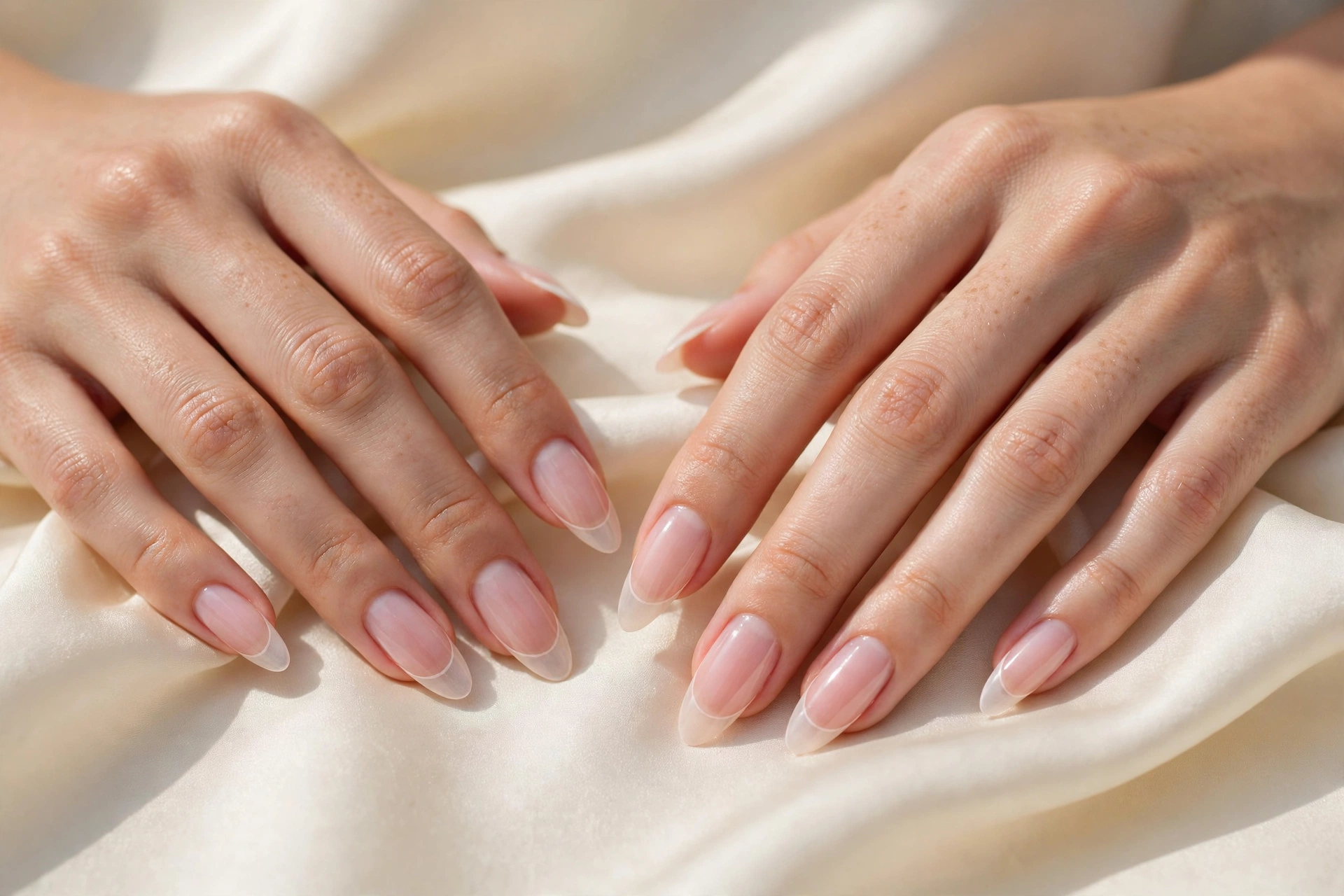
- Classic French tips: A sheer pink or nude base with a clean white tip creates a polished look. The tip can be fine or slightly wider depending on the free edge.
- Long black nails: Glossy black gives a crisp, high-contrast finish, while black with a single nude or metallic accent keeps the design from feeling too uniform.
- Long purple nails: Lavender can feel soft and light, while plum or deep violet creates a richer look. Try a single contrasting accent nail if you want variety without a complicated design.
- Long brown nails: Cocoa, espresso, caramel, and taupe shades pair well with a neutral wardrobe and can work across seasons.
- Neon accents: Use neon tips or a narrow stripe over a neutral base when you want a bright look without covering every nail in a vivid color.
- Minimalist lines and dots: A few fine lines, tiny dots, or a small detail near the tip make use of the longer canvas while keeping the overall manicure simple.
- Classy, elegant designs: A sheer base, delicate French edge, or restrained metallic detail can look refined without needing bulky decorations.
- Junk-nail-inspired details: Mix small decals, contrasting colors, and playful accents while leaving enough open space for each detail to remain visible.
For cute long nails, consider tiny hearts, stars, or alternating pastel tips. For a more understated result, keep the same base color across the nails and decorate only one or two. The best design is one that suits your length and daily routine, not just a reference image.
The site’s nail-shapes guide covers shape choices in depth; its stiletto and oval-nail guides address those specific silhouettes. This article focuses on length rather than a full shape taxonomy.
Nail art techniques that shine on long nails
A longer nail offers more room for gradual color changes and precise details. A few techniques work especially well:
- Ombre or gradient: Blend two related shades from one end of the nail to the other. A sponge can help soften the transition, although it may take practice to avoid a thick finish.
- French variations: Try a fine French line, a colored tip, or a double line instead of a standard white tip.
- Negative space: Leave parts of the natural nail visible between polish sections. Curves and narrow vertical shapes can complement a long free edge.
- Fine line work: Thin stripes, small geometric details, and delicate borders can use the available space without making the design look crowded.
Use thin layers and let each layer dry or cure according to the product directions. Patch-test new products as directed, especially if you have sensitive skin. For broader technique tutorials and a larger range of nail art styles, the site’s nail-art designs guide is the relevant companion topic.
Colors & finishes for long nails
The best color depends on the look you want and how much maintenance you prefer. Long nails make both pale and dark shades noticeable, so the finish can change the overall effect.
- Nudes and sheer pinks: Useful for a clean, understated look and for French-style designs.
- Black and deep brown: Create strong contrast and can make fine details stand out.
- Purple and blue: Offer a choice between soft pastel shades and richer jewel-like colors.
- Bright and neon colors: Make the nails a focal point; a small accent can be easier to wear than a full set of vivid shades.
- Shimmer and metallic details: A narrow accent or single feature nail adds interest without requiring a full glitter manicure.
A glossy top coat can emphasize a smooth finish, while a matte top coat creates a softer appearance. Follow the product’s directions and avoid peeling polish off when you want to change colors. The site’s nail-polish guide covers polish types and finishes in more detail.
Daily life with long nails
Long nails can be comfortable for some people, but they change how you handle everyday tasks. The longer the free edge, the more carefully you may need to position your fingers.
- Typing: Use the pads of your fingers and adjust your hand position rather than striking keys with the nail tips.
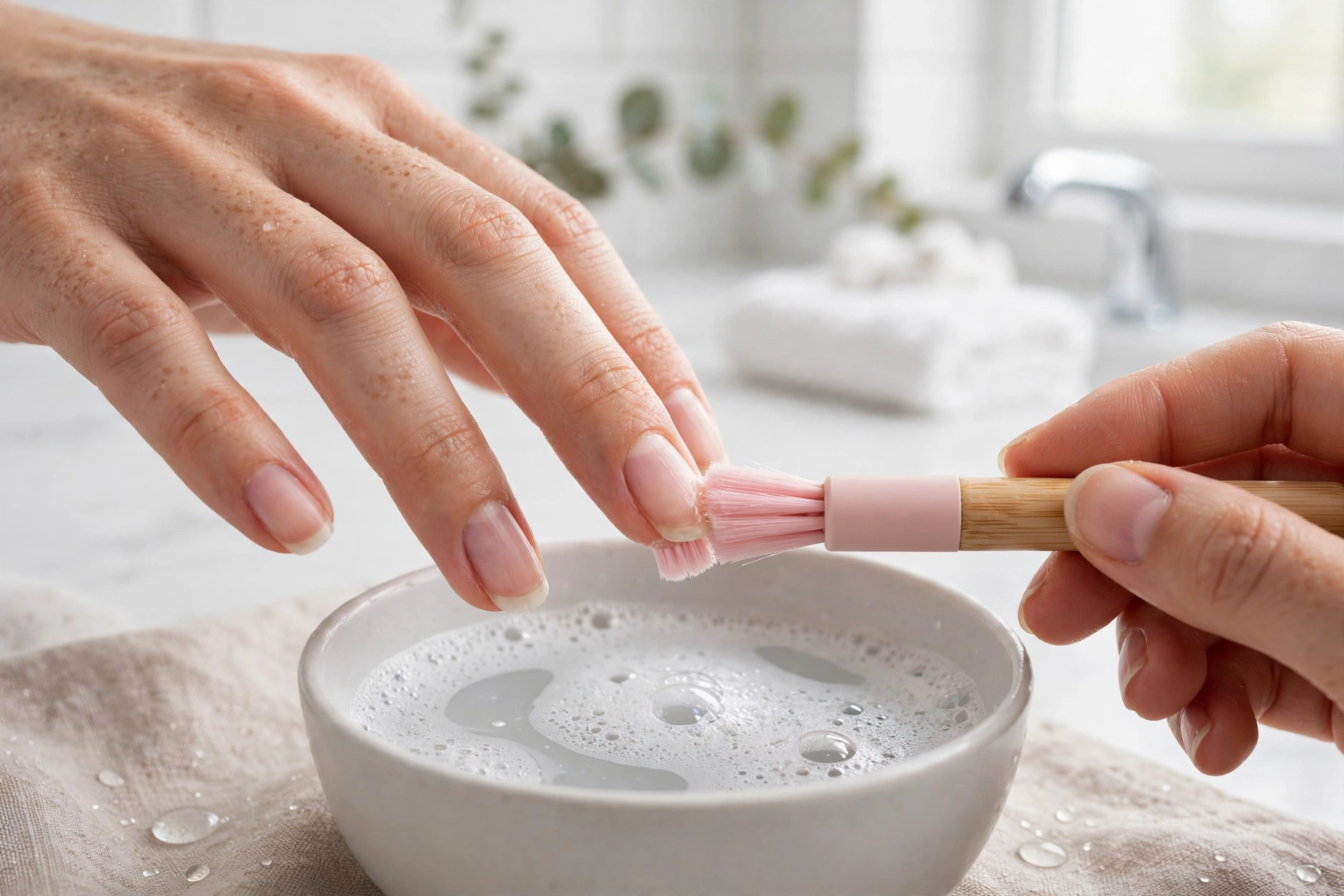
- Cleaning: Wash your hands regularly, use a soft nail brush to clean beneath the free edge, and dry thoroughly. Dirt and moisture can collect underneath long nails.
- Contact lenses: Long tips can make lens handling more awkward and may scratch the eye. Use the pads of your fingers and follow your eye-care professional’s handling advice.
- Sports and manual tasks: Consider shortening the nails if they catch on equipment or interfere with a secure grip.
- Workplace hygiene: Some healthcare and food-handling roles restrict natural nail length or certain nail products. Follow your workplace’s infection-control rules rather than assuming long nails are allowed.
Keep the hyponychium intact and do not use sharp tools to dig beneath the nail. A soft nail brush and soap are usually a better choice for routine cleaning. If a nail becomes painful, discolored, swollen, or begins separating from the nail bed, consult a healthcare professional instead of trying to diagnose or cover the problem.
Keeping long nails strong: care routine & mistakes
A useful routine is simple: keep the edges smooth, moisturize regularly, protect your hands from prolonged water and cleaning-product exposure, and avoid habits that put pressure on the nail tips.
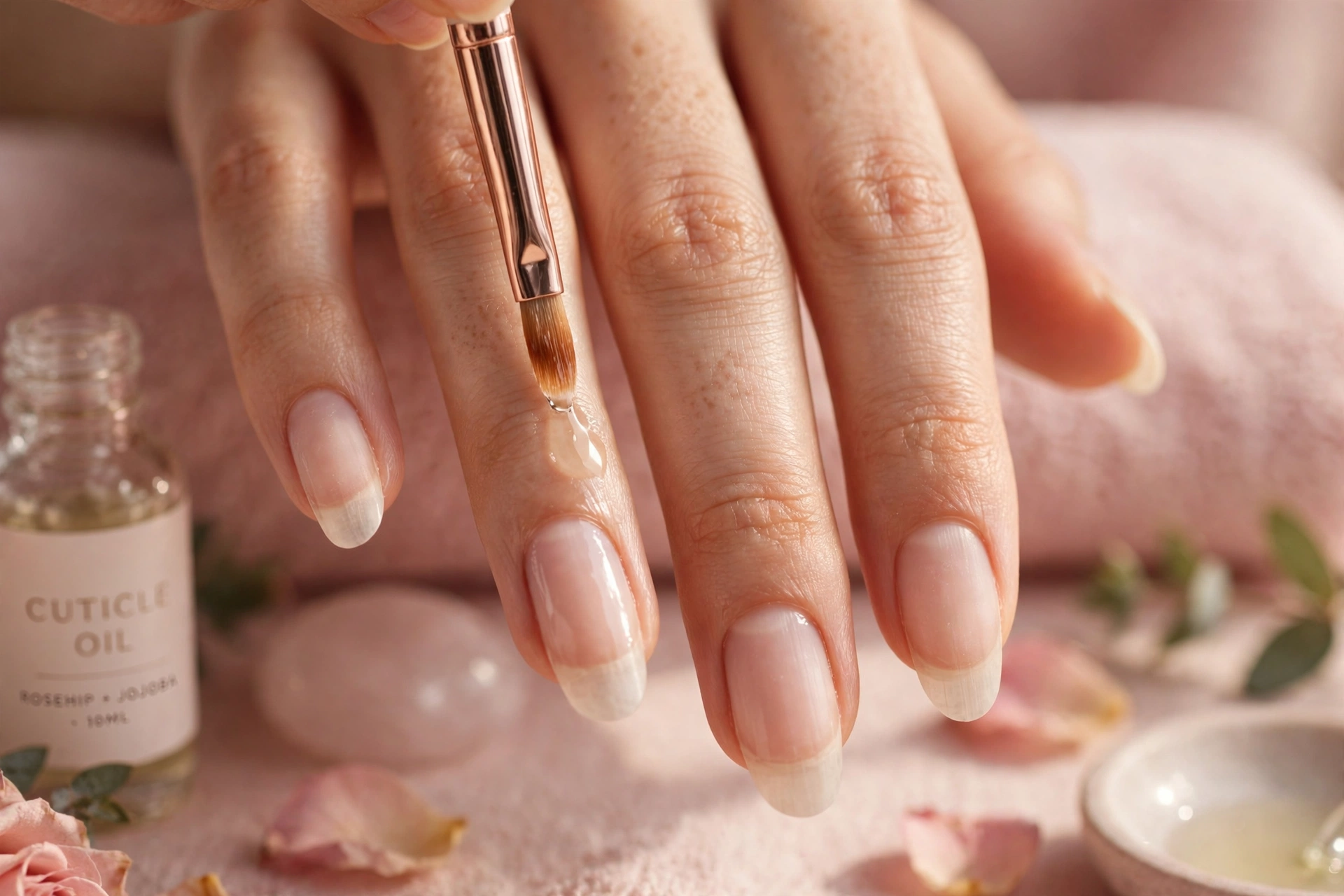
Daily
- Apply cuticle oil to the nail folds and, where comfortable, along the underside of the free edge.
- Wash hands and gently clean beneath the nails; dry thoroughly afterward.
- Check for snags or cracks before they catch on clothing.
During cleaning and household tasks
- Wear suitable gloves when handling cleaning products or doing prolonged wet work.
- Avoid using nails to scrape labels, open cans, or pry objects apart.
- Do not bite, peel, or pick at nail polish or enhancements. Pulling product off can lift layers of the natural nail plate.
When filing or changing polish
- File in one direction and avoid aggressive buffing.
- Use a remover appropriate for the polish you are wearing, following its instructions.
- If wearing enhancements, have them removed using the appropriate soak-off method; never pry or force them off.
- Patch-test new nail-care products according to the label, and stop using a product if it causes a concerning reaction.
A nail hardener or strengthener may help some people, but it is not a substitute for gentle handling. If your nails repeatedly peel, split, or separate despite changes to your routine, or you suspect a fungal infection or other nail problem, consult a dermatologist rather than self-diagnosing.
Frequently asked questions
How long should nails be?
Long nails have a free edge that extends clearly beyond the fingertip. Medium-long nails may have only a few millimeters of free edge, while extra-long or XXL nails extend much farther and require more care during daily activities.
Can you make your nail beds longer?
Not permanently. Nail-bed length is largely genetic. Gentle cuticle care, avoiding extremely short filing, protecting the hyponychium, and choosing elongating designs can affect appearance, but they do not permanently lengthen the nail bed.
How fast do natural nails grow?
Fingernails grow about 3 mm per month on average, although individual growth varies and may slow with age. A full fingernail generally takes around four to six months to regrow.
Why do my long nails keep breaking?
A long free edge creates more leverage when a nail hits a hard surface. Snags, harsh filing, repeated wet work, and using nails as tools can increase the risk. Smooth filing, daily oil, gloves, and reducing length on a cracked nail can help prevent repeated breaks.
Are long natural nails hygienic?
They can be kept clean with regular handwashing, gentle cleaning beneath the free edge using a soft nail brush, and thorough drying. Dirt and moisture can collect under long nails, and some healthcare or food-handling jobs have nail-length restrictions.
Do long nails suit short nail beds?
Yes. Nail-bed proportions vary naturally, and long nails can suit many different hands. A balanced free edge, fine vertical details, and a design that does not overwhelm the nail can create a harmonious look without trying to change the nail bed itself.
Long natural nails are built through growth and maintained by protecting the length you already have. Choose designs that suit your free edge, clean and dry the underside carefully, and shorten a nail when keeping it long would mean ignoring a crack or persistent discomfort.
Last reviewed: October 2026 — Editorial Team, Polish Haven